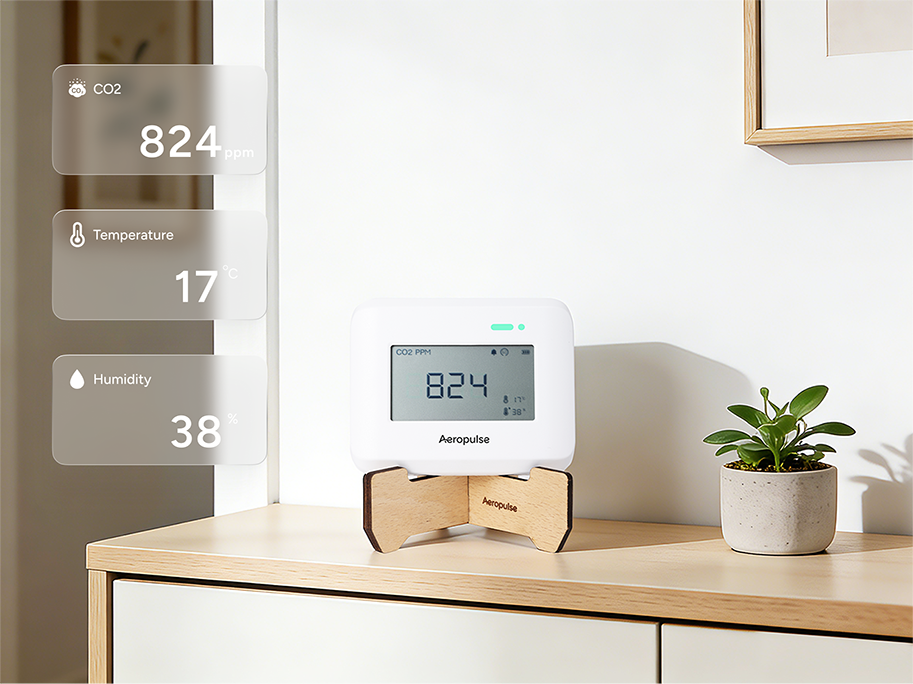

When it comes to indoor air quality (IAQ), CO₂ (carbon dioxide) is often overlooked. While most people associate CO₂ with climate change, the truth is that elevated CO₂ levels indoors can affect both health and productivity. In fact, when CO₂ levels rise, they can cause cognitive impairment, irritability, and even physical discomfort. But what causes these spikes, and how can you prevent them?
Let’s take a closer look at the hidden causes of CO₂ spikes indoors and what you can do to maintain a healthy, productive environment.
What Causes CO₂ Spikes Indoors?
CO₂ is a natural component of the air, and we constantly breathe it out. In indoor environments especially those that are poorly ventilated CO₂ can accumulate quickly. But why do these spikes happen in the first place? Here are the most common causes:
- Inadequate Ventilation Systems
Many modern buildings are designed for energy efficiency, with sealed windows and airtight construction. While this helps conserve energy, it also means that fresh air circulation is limited, allowing CO₂ levels to rise if the ventilation system is not optimized.
- High Occupancy in Small Spaces
High-traffic areas, such as meeting rooms, classrooms, or crowded office spaces, are often prone to CO₂ buildup. The more people in a room, the more CO₂ is produced through exhalation. Without proper ventilation, this CO₂ can quickly accumulate to unhealthy levels.
- Energy-Efficient Building Designs
Energy-efficient buildings prioritize minimizing energy loss, often using airtight construction and tight insulation. However, without careful planning of ventilation systems, these buildings can trap CO₂ indoors, especially during periods of low air exchange.
- Outdated HVAC Systems
Older HVAC systems may not be equipped to handle the modern demand for controlled air quality. Without the proper sensors or automation, these systems can run continuously, circulating stale air and allowing CO₂ to rise.
- Activities That Increase CO₂
Everyday activities, such as cooking in the kitchen or using gas-powered appliances, contribute to CO₂ levels in the air. In spaces where these activities are common, it’s especially important to have proper ventilation to mitigate CO₂ buildup.

How CO₂ Affects Health and Productivity
While CO₂ isn’t directly toxic, high concentrations can lead to a host of issues that affect both your health and your ability to perform.
- Cognitive Function: Studies have shown that when CO₂ levels exceed 1,000 ppm, cognitive abilities such as decision-making, focus, and problem-solving can decline. Levels above 2,000 ppm can impair concentration and increase confusion.
- Physical Symptoms: Headaches, fatigue, dizziness, and respiratory discomfort are common physical symptoms of high CO₂ exposure.
- Reduced Productivity: When CO₂ levels are elevated, employees are more likely to experience fatigue and lack of concentration, leading to higher error rates and a decrease in productivity.
Solutions: How to Manage CO₂ Spikes in Your Building
Managing CO₂ levels is more than just an air quality issue—it’s a health and productivity issue. Fortunately, there are simple steps you can take to keep your building’s CO₂ levels in check.
- Install Real-Time CO₂ Monitoring
Continuous CO₂ monitoring is essential for detecting spikes before they become a problem. By installing systems like Aeropulse’s A200-CO₂, building managers can receive real-time alerts when CO₂ levels exceed safe thresholds. This allows for quick intervention and better control of indoor air quality.
- Implement Demand-Controlled Ventilation (DCV)
Demand-controlled ventilation adjusts airflow based on the occupancy of the space. When CO₂ levels rise, the system automatically increases ventilation to dilute CO₂ concentrations. This not only ensures better air quality but also helps save energy by only running the ventilation system when needed.
- Optimize HVAC System Performance
A well-maintained HVAC system is crucial for managing CO₂ levels. Regular maintenance and calibration are necessary to ensure the system is functioning efficiently and adjusting to real-time air quality data.
- Control Occupancy in Small Spaces
Crowded spaces are more likely to experience CO₂ spikes. By managing occupancy in small meeting rooms or classrooms and ensuring adequate ventilation, you can prevent CO₂ buildup and maintain a comfortable environment.

Case Study: Optimizing CO₂ Levels for Better Health and Savings
A Modern Office in Shenzhen Reduces Energy Use by 18% and Improves Comfort
In a recently renovated 6-floor office building in Shenzhen, facility managers noticed that their HVAC system was running at full capacity even during periods of low occupancy. The result? Excessive energy use, fluctuating comfort levels, and spikes in CO₂ concentrations during afternoon hours.
The Solution:
By deploying a network of Aeropulse A100 and A200 CO₂ monitors, the team gained real-time visibility into the CO₂ levels in meeting rooms, open offices, and training spaces. With this data, they were able to:
- Shift HVAC to demand-controlled ventilation (DCV) based on CO₂ thresholds.
- Reduce baseline ventilation during low-occupancy hours.
- Automate ventilation boosts only when CO₂ exceeds 900 ppm.
- Deactivate ventilation in unused spaces based on occupancy trends.
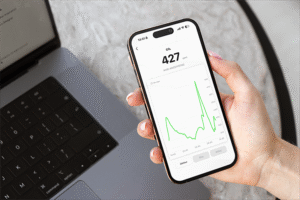
The Results (3 Months After Deployment):
- Energy Savings: Monthly energy costs dropped by 18%.
- CO₂ Levels: Average CO₂ spikes were reduced from 1,450 ppm to 780 ppm, ensuring a healthier environment.
- Occupant Satisfaction: Complaints about comfort and air quality were drastically reduced.
This case study highlights how CO₂ monitoring and smart ventilation solutions can improve both health outcomes and operational efficiency in commercial spaces.

Conclusion: Why CO₂ Monitoring is Essential
CO₂ spikes indoors are more than just a minor inconvenience; they can have a serious impact on health, productivity, and comfort. By understanding the causes of CO₂ buildup and implementing solutions like real-time monitoring and demand-controlled ventilation, you can create a healthier, more efficient indoor environment.
At Aeropulse, our A200-CO₂ monitors provide accurate, real-time data to help building managers take control of their indoor air quality. With continuous monitoring, automated ventilation, and optimized HVAC systems, managing CO₂ levels has never been easier.