

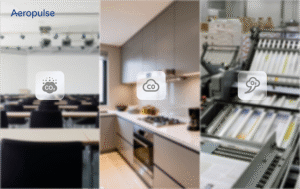
 Indoor air quality (IAQ) is a critical factor in maintaining a healthy and productive indoor environment. While many people are aware of common pollutants like CO₂, VOCs, and PM2.5, the sources of these pollutants can vary widely across different areas of a building. Identifying these “pollution hotspots” is key to maintaining good IAQ and improving the overall well-being of building occupants.
In this article, we’ll explore common areas in modern office spaces, schools, and commercial buildings that contribute to indoor pollution, and how businesses can address these issues using IAQ monitoring and smart solutions.
The Importance of Identifying Indoor Pollution Hotspots
Indoor air quality is influenced by numerous factors, such as ventilation, occupant behavior, and the materials used in construction and furnishings. Certain areas of a building are more prone to accumulating pollutants, affecting the health, comfort, and productivity of people. These pollutants can range from harmful chemicals to particulate matter, which can cause a variety of symptoms, including:
- Headaches and dizziness
- Respiratory issues
- Allergies and irritation
- Reduced cognitive function
- Fatigue and discomfort
Identifying hotspots where pollutants are most likely to accumulate can help businesses implement effective solutions for pollution control and improve indoor air quality across the building.
Common Indoor Pollution Hotspots
 Conference Rooms and Meeting Spaces
Conference rooms and meeting spaces are among the most pollution-prone areas in office buildings. These rooms often have high occupancy during meetings, which can lead to increased CO₂ levels due to high human activity in a small, enclosed space. Poor ventilation in these rooms can exacerbate the issue.
- Key pollutants: CO₂, VOCs from furniture and materials, and particulate matter (PM2.5) from office equipment.
- Solution: Installing CO₂ monitors and VOCs sensors in meeting rooms can help identify when air quality drops. Using demand-controlled ventilation (DCV) can optimize airflow based on real-time CO₂ levels, reducing energy consumption and improving air quality.
 Kitchens and Break Rooms
Kitchens and break areas are common sources of indoor pollution, especially when cooking or heating food. Cooking can release particulate matter, grease, and VOCs into the air, which can linger for extended periods. Carbon monoxide (CO) from gas appliances is another common pollutant that can accumulate in poorly ventilated spaces.
- Key pollutants: CO, PM2.5, VOCs
- Solution: Installing CO sensors and PM2.5 sensors can monitor air quality in real time. Ensuring proper exhaust ventilation is essential to remove pollutants quickly. Air purifiers with HEPA filters can help maintain clean air in these areas.
 Print and Copy Areas
Offices and commercial buildings often have print and copy areas where various chemicals are released into the air during the printing process. Laser printers and copiers release ozone (O₃), VOCs, and other particulate matter that can accumulate, especially in small or poorly ventilated spaces.
- Key pollutants: Ozone (O₃), VOCs, PM2.5, and ozone generators from office equipment.
- Solution: Ventilation is key in print areas to minimize the accumulation of ozone and VOCs. Installing IAQ monitors in these areas can help track pollution levels and alert building managers when air quality falls below acceptable thresholds.
 Bathrooms and Restrooms
Bathrooms are often overlooked as indoor pollution hotspots, but they can be sources of various pollutants, including bacteria, mold, and unpleasant odors. The humidity in restrooms can increase the growth of mold, which releases mycotoxins and other allergens into the air.
- Key pollutants: VOCs from cleaning chemicals, mold spores, and bacteria.
- Solution: Proper ventilation systems and regular maintenance of HVAC filters can help control the buildup of humidity and prevent the growth of mold. Air purifiers equipped with UV-C technology can also reduce bacteria and other harmful microorganisms.
 Storage and Utility Rooms
Storage areas often contain old equipment, cleaning chemicals, and office supplies that can emit harmful fumes or dust. For example, formaldehyde from certain types of wood and pesticides or other chemicals stored in cabinets can release pollutants into the air over time.
- Key pollutants: VOCs, formaldehyde, and dust.
- Solution: Storing items in well-ventilated, dry areas and using low-emission materials can reduce the risk of pollution. Installing humidity sensors and VOC monitors can provide real-time data to track pollutants.
How to Address Indoor Pollution Hotspots with IAQ Monitoring
With the right indoor air quality sensors, businesses can proactively monitor air quality in identified hotspots. IAQ sensors measure pollutants like CO₂, VOCs, PM2.5, and NO₂ in real-time, allowing facility managers to take timely action and optimize ventilation, reducing the risk of poor indoor air quality.
Benefits of IAQ Monitoring:
- Real-time data: Monitor pollution levels and take corrective action before air quality impacts occupants.
- Energy optimization: Use data from CO₂ sensors to implement demand-controlled ventilation, optimizing energy use without sacrificing air quality.
- Employee well-being: Providing clean, healthy air helps improve comfort and productivity, while reducing the risk of respiratory issues and allergies.
Aeropulse: Your Partner in Indoor Air Quality Management
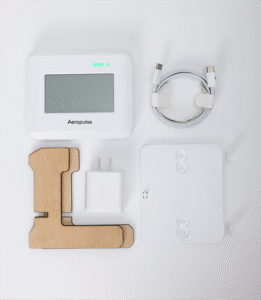
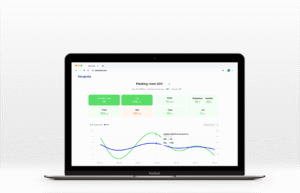
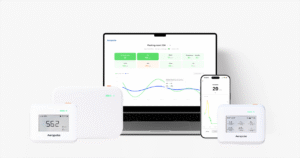
At Aeropulse, we offer advanced IAQ monitoring solutions that provide accurate, real-time data on CO₂, VOCs, PM2.5, and more. With our A200 series, you can track and optimize indoor air quality in every area of your building. Our Aeropulse Dashboard gives facility managers full control, allowing them to monitor trends, set alerts, and integrate with existing HVAC systems to ensure optimal air quality.
By using Aeropulse sensors, you can ensure that indoor pollution hotspots are identified and mitigated, providing a healthier and more productive environment for everyone.
Conclusion
Identifying and managing indoor pollution hotspots is essential for maintaining a healthy indoor environment. Whether it’s conference rooms, kitchens, print areas, or bathrooms, each area of a building presents unique challenges for air quality management. With the help of IAQ monitoring sensors and smart ventilation systems, businesses can improve air quality, reduce health risks, and enhance productivity.
Investing in real-time monitoring solutions like Aeropulse helps companies stay on top of indoor air quality, improving the overall comfort and well-being of employees, while ensuring compliance with industry standards and sustainability goals.