

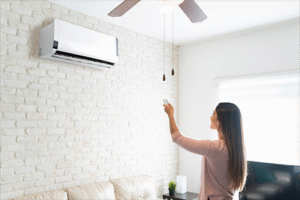
 Modern buildings face a constant challenge: how to provide enough fresh air without wasting energy. Ventilation is essential for health and comfort, but running HVAC systems continuously at high capacity leads to unnecessary energy use, higher costs, and increased carbon emissions.
This is where CO₂ monitoring plays a critical role. By using carbon dioxide levels as a real-time indicator of occupancy and air freshness, buildings can optimize ventilation precisely when and where it’s needed without overusing HVAC systems.
Why Over-Ventilation Is a Growing Problem
Many buildings still rely on fixed ventilation schedules or conservative airflow settings. While well-intentioned, this approach often results in:
- HVAC systems running at full capacity during low occupancy
- Excessive energy consumption
- Dry air, noise, and thermal discomfort
- Increased operational and maintenance costs
In energy-efficient buildings with airtight designs, this inefficiency becomes even more pronounced.

CO₂ as a Smart Indicator for Ventilation Control
Indoor CO₂ levels rise primarily due to human respiration. This makes CO₂ one of the most reliable indicators of occupancy density and ventilation effectiveness.
Typical indoor benchmarks include:
- 400–450 ppm: Outdoor baseline
- 600–800 ppm: Well-ventilated, optimal indoor conditions
- 1,000+ ppm: Insufficient ventilation, reduced comfort and cognitive performance
By continuously monitoring CO₂ levels, buildings gain real-time insight into when fresh air is required.

How CO₂ Monitoring Optimizes HVAC Performance
- Demand-Controlled Ventilation (DCV)
CO₂ sensors enable demand-controlled ventilation, allowing HVAC systems to adjust airflow dynamically based on real occupancy rather than assumptions.
This means:
- More ventilation during meetings or peak hours
- Reduced airflow when spaces are empty or lightly occupied
- Reduced Energy Waste
Instead of ventilating all zones equally, CO₂ data highlights which rooms need air, and which don’t. This targeted approach significantly lowers fan energy and heating/cooling loads.
- Improved Indoor Air Quality Without Overcooling or Overheating
Over-ventilation can disrupt temperature and humidity balance. CO₂-based control maintains healthy air quality without sacrificing thermal comfort.
- Compliance With Modern Building Standards
Standards like WELL, LEED v5, and RESET increasingly emphasize continuous IAQ monitoring and performance-based ventilation making CO₂ data essential for compliance.
- CO₂ monitoring for buildings
- HVAC optimization
- Demand-controlled ventilation
- Indoor air quality monitoring
- Smart building ventilation
- CO₂ sensors for HVAC
- Energy-efficient ventilation systems
How Aeropulse Enables This
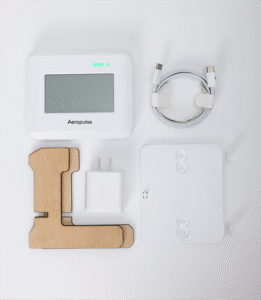
Aeropulse provides high-accuracy CO₂ monitoring solutions that support intelligent ventilation strategies in commercial, educational, and public buildings.
With real-time CO₂ data, facility teams can:
- Set ventilation thresholds aligned with health standards
- Identify underused and over-ventilated spaces
- Integrate CO₂ insights into HVAC and building management systems
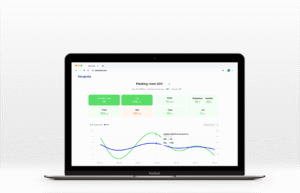
- Monitor trends remotely through a centralized dashboard
This data-driven approach allows ventilation to respond to real conditions, not fixed schedules.
The Business Case for CO₂-Based Ventilation
Optimizing ventilation through CO₂ monitoring delivers measurable benefits:
- Lower HVAC energy consumption
- Reduced operating costs
- Improved occupant comfort and productivity
- Longer equipment lifespan
- Stronger ESG and sustainability performance
Healthy air and energy efficiency no longer need to compete if they can work together.

Conclusion
CO₂ monitoring transforms ventilation from a constant energy drain into a smart, responsive system. By aligning airflow with real occupancy, buildings can maintain excellent indoor air quality while avoiding unnecessary HVAC operation.
With solutions like Aeropulse, organizations can turn CO₂ data into actionable insights supporting healthier spaces, lower energy use, and smarter building performance.