

In today’s smart building landscape, CO₂ (carbon dioxide) is not just an environmental concern but also an essential indicator for managing space occupancy. By understanding how CO₂ levels correlate with the number of people in a room, building managers can optimize indoor air quality (IAQ), energy use, and overall ventilation—creating healthier, more efficient spaces.
Why CO₂ Works as an Occupancy Indicator
CO₂ is produced every time we breathe, and the amount of CO₂ in a room rises directly with occupancy. In spaces like offices, meeting rooms, and classrooms, CO₂ acts as a real-time indicator of how many people are present. This makes CO₂ monitoring an efficient tool for building management.
When CO₂ levels increase due to higher occupancy, buildings can automatically adjust ventilation systems to improve airflow and air quality. Conversely, when occupancy is low, CO₂ sensors can signal the building management system to reduce ventilation, thus conserving energy and maintaining optimal indoor environments.

Benefits of Using CO₂ as an Occupancy Indicator
- Optimized Energy Use
Smart buildings equipped with CO₂ sensors use demand-controlled ventilation (DCV) to adjust airflow based on real-time occupancy data. This allows ventilation systems to operate more efficiently, ensuring fresh air is only supplied when needed and saving energy during periods of low occupancy.
- Improved Comfort and Health
High CO₂ levels can negatively impact cognitive function, productivity, and well-being. By using CO₂ data, building operators can ensure that ventilation systems activate when necessary to maintain healthy air quality. This proactive approach improves comfort, reduces fatigue, and enhances performance.
- Efficient Space Utilization
CO₂ monitoring helps identify how different areas of a building are used throughout the day. This data allows managers to adjust ventilation and temperature based on actual occupancy, ensuring energy is used only in high-traffic areas. It also helps to identify underused spaces, improving space efficiency.
How CO₂ Monitoring Works in Smart Buildings
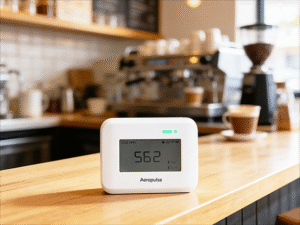
Smart buildings use CO₂ sensors like Aeropulse’s A200-CO₂ to monitor air quality and occupancy levels in real-time. These sensors send continuous CO₂ data to a central dashboard, which building managers use to adjust ventilation systems and ensure optimal indoor air quality.
Key Features of CO₂ Monitoring in Smart Buildings:
- Real-Time CO₂ Data: Continuously track CO₂ levels to ensure air quality is maintained.
- Automated Ventilation: Ventilation systems adjust based on CO₂ readings, reducing energy consumption while ensuring comfort.
- Comprehensive IAQ Monitoring: CO₂ data can be integrated with other air quality metrics, such as PM2.5 and temperature, for a full picture of the environment.
Case Study: How a Global Retailer in Singapore Optimized CO₂ Management for Enhanced Energy Efficiency and Occupant Comfort
A leading global retailer in Singapore faced challenges in balancing energy use and air quality in their flagship store. Despite implementing energy-efficient systems, the store’s HVAC system ran at full capacity, even during low-traffic hours, leading to unnecessary energy consumption and CO₂ spikes during busy periods.
The Solution:
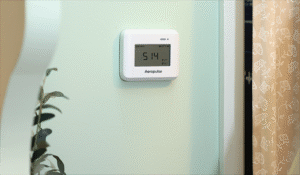
Aeropulse deployed a network of A100 and A200 CO₂ sensors in key areas, including:
- Storefronts (to track foot traffic and occupancy during opening hours)
- Staff rooms (to monitor employee density)
- Display areas (where occupancy fluctuated based on events and promotions)
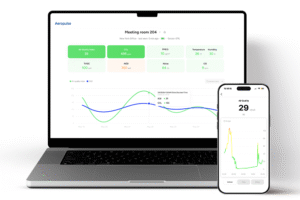
The sensors collected real-time CO₂ data and streamed it to the Aeropulse Dashboard, where the building management team could:
- Set CO₂ thresholds for various zones in the store.
- Adjust ventilation and cooling systems based on actual occupancy data.
- Implement demand-controlled ventilation (DCV), ensuring energy was only used when occupancy warranted it.
The Results:
- Energy Savings: The store reduced HVAC runtime by 22% over three months.
- CO₂ Reduction: CO₂ levels were reduced by 30%, improving air quality and reducing discomfort caused by high CO₂ concentrations.
- Improved Customer and Staff Satisfaction: Feedback from both customers and employees showed a significant improvement in comfort levels, with fewer complaints related to air quality.
This case study demonstrates how integrating CO₂ monitoring into smart building management systems can lead to significant improvements in both energy efficiency and occupant comfort.
Conclusion: Why CO₂ Monitoring is Essential for Smart Buildings
Incorporating CO₂ sensors as part of a smart building management system is more than just a way to measure air quality it’s about optimizing ventilation, improving energy efficiency, and enhancing the comfort and health of building occupants. By using CO₂ as an occupancy indicator, building managers can adjust systems in real time, reducing energy use and ensuring a healthy, productive environment for everyone.
Aeropulse’s A200-CO₂ provides accurate, real-time CO₂ data, giving buildings the tools they need to adjust their ventilation systems intelligently and efficiently. Whether you’re managing an office, retail space, or public building, integrating CO₂ monitoring into your facility’s management strategy is crucial for maintaining healthy, sustainable environments.